India and Russia Are Building a New Trade Highway Through the Arctic — And It Could Save India Two Weeks of Shipping Time

What Just Happened?
On July 15, 2026, Russia gave its government approval for a big deal with India. Russia's state company Rosatom — best known for building nuclear power plants — will sign a formal agreement with India to allow Indian ships to use a shipping route that runs through the Arctic Ocean, along Russia's northern coast. This route is called the Northern Sea Route, or NSR. It is basically a highway through the frozen waters at the top of the world.
Why does this matter for India? Because using this route, Indian ships can reach Europe and Russia faster — saving up to 40% of the distance and cutting roughly two weeks off the journey compared to the route most Indian ships currently use, which goes through the Suez Canal in Egypt.
Why India Needs a New Route — The Suez Canal Problem
Most people don't think much about how goods travel across the world. But almost everything India sells to Europe — medicines, textiles, chemicals — goes by ship through the Suez Canal. And almost everything India buys from Europe and the Middle East — oil, machinery, fertilisers — also comes through the same route.
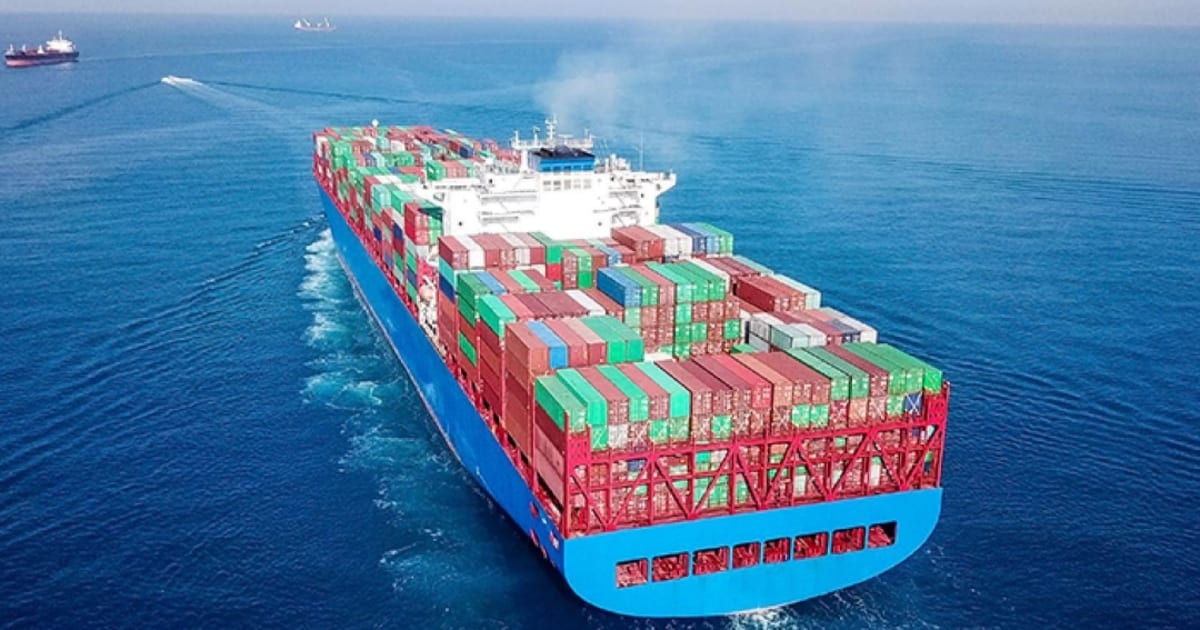
The problem is that this route has become unreliable. In 2024 and 2025, a group called the Houthis in Yemen started attacking ships in the Red Sea — the water body just before the Suez Canal. Ships had to take the long way around Africa instead, adding 10 to 14 days and costing a lot more in fuel and insurance.
Then, in early 2026, the conflict in West Asia got worse, creating fears about the Strait of Hormuz — the narrow stretch of water through which most of India's oil imports pass. If that closes, India's energy supply gets directly threatened.
India realised it was too dependent on one set of routes. It needed backup options. The Arctic route is one of the most important of those options.
What Is the Northern Sea Route?
Imagine taking a globe and looking at the very top — the North Pole area. Running along the northern edge of Russia, there is a stretch of ocean that, for most of history, was frozen solid and completely unnavigable.
Climate change has changed that. The Arctic ice is melting faster than ever before. This has opened up a new path for ships — one that is significantly shorter than going through the Suez Canal.
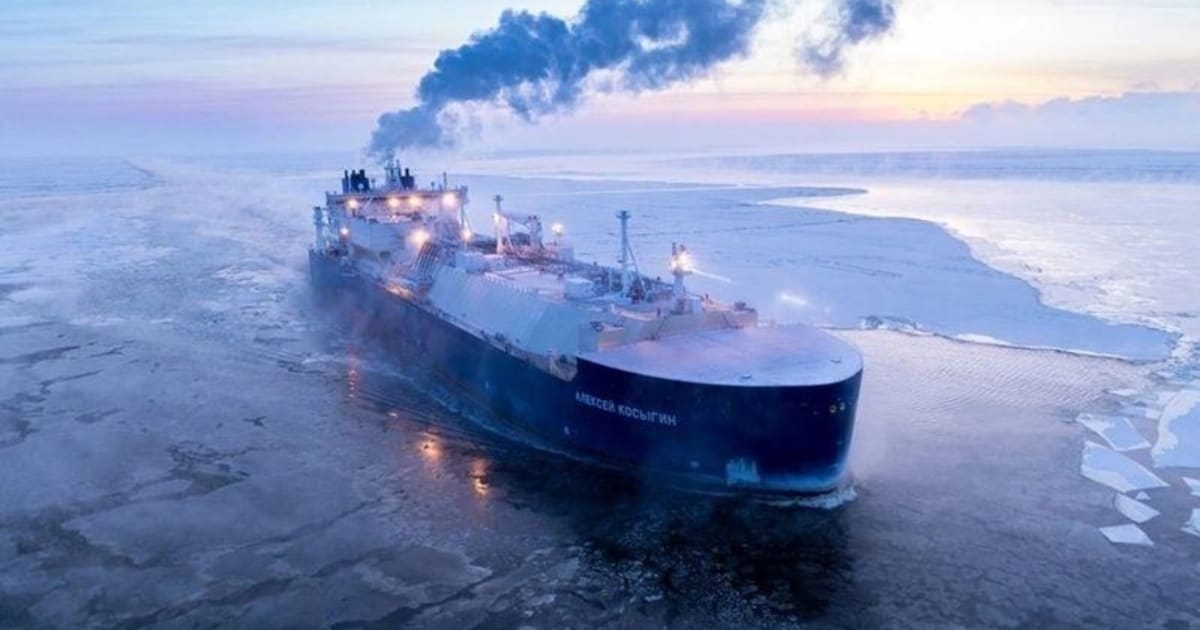
Russia has been developing and managing this route for decades. It uses a special fleet of ships called icebreakers — massive, powerful vessels designed to smash through ice — to keep the route open. These icebreakers are powered by nuclear energy, so they never need to stop and refuel. Russia is the only country in the world that has nuclear-powered icebreakers, which gives it control over this route.
Rosatom — the same company building India's Kudankulam nuclear power plant in Tamil Nadu — manages and operates this Arctic route on Russia's behalf.
What Does India Get From This Deal?
Three things, primarily.
Shorter and cheaper shipping to Europe. If Indian companies want to send goods to Germany, France, or Scandinavia, they currently go through the Suez Canal. Using the Arctic route instead saves 40% of the distance. That means lower fuel costs, lower insurance costs, and goods reaching customers two weeks earlier. In trade, two weeks is a big deal.
A reliable backup when Suez is disrupted. When the Suez route gets blocked or disrupted — which has happened multiple times in recent years — India needs an alternative. The Arctic route provides exactly that. Instead of being stuck or being forced to take the extremely long route around Africa, Indian ships would have a northern option.
Stronger trade with Russia. India and Russia have set a target of reaching $100 billion in annual trade by 2030. Currently they are at roughly $67 billion, mostly through oil and fertiliser imports. Better and cheaper transport links will help both countries trade more — including goods beyond just energy, like machinery, chemicals, food, and medicines.
The Bigger Picture — Three Routes Being Built Together
The Arctic deal is actually just one part of a bigger plan between India and Russia to build multiple trade routes connecting the two countries. Think of it like building three different roads between two cities so that if one road gets blocked, you still have two others. The three routes are:
Northern Sea Route (NSR) — The Arctic highway we've been discussing. Runs along Russia's northern coast. Saves 40% distance to Europe. Roughly 3,500 miles long.
International North-South Transport Corridor (INSTC) — This is a 7,200-kilometre route that connects India to Russia through Iran and Central Asia, using a combination of ships, railways, and roads. Think of it like a land and sea route through the middle of the world. This route is already partially working and is growing.
Eastern Maritime Corridor (EMC) — This connects India's eastern ports to Russia's Far East cities like Vladivostok — the Russian port city on the Pacific Ocean. This is useful for trade between India and Russia's eastern regions, and could eventually connect to Japan, South Korea, and other Asian countries.
Together, these three routes give India multiple ways to move goods to and from Russia without being dependent on any single path.
One Thing to Be Honest About — The Arctic Route Has Limitations for India
Not everything about the Northern Sea Route is straightforward for India. It is important to be honest about the challenges too.
The route works much better for China than for India. China's main industrial cities are in the north and east of the country — much closer to where the Arctic route begins. For China, using this route instead of the Suez Canal saves an enormous amount. For India, whose ports are in the south and west, the savings are real but smaller, because ships need to travel further north first before they even get to the Arctic portion.
The route is also not open all year round without help. It requires icebreaker support for most of the year. This means Indian ships would need to coordinate with Russian icebreakers — making India dependent on Russia's cooperation to actually use the route. That is a practical limitation.
And the ports and facilities at both ends — the Russian Arctic terminals and Indian ports for Arctic cargo — are not fully developed yet. Building that infrastructure takes time and money.
So the Arctic route is a useful addition to India's transport options — but it is not a complete replacement for the Suez Canal route, at least not yet.
Why India Is Still Saying Yes — The Strategic Logic
Despite the limitations, India is moving forward. The reason is simple: in today's world, having options is more valuable than having the perfect single solution.
Every time a conflict or crisis has disrupted shipping through the Suez Canal or the Red Sea in the past five years, Indian businesses paid more, waited longer, and sometimes simply couldn't get goods delivered on time. Insurance costs shot up. Freight rates doubled. Supply chains broke.
An Arctic route agreement gives India a genuine, usable alternative — even if it is not perfect. And in geopolitics, being present in an important region matters. China is already actively building its position in the Arctic. If India doesn't engage now, it risks being left out of a region that could become one of the world's most important trade corridors as climate change makes Arctic navigation easier over the coming decades.
India is also gaining something called the RELOS agreement — which lets Indian navy and coast guard ships use Russian ports for refuelling and repairs in Arctic waters. This is important for India's navy, which currently has almost no presence in the Arctic. Having that access means India can start building familiarity and capability in a region it has never operated in before.
What This Means for You — The Ordinary Indian
You might wonder: what does a shipping route through the Arctic have to do with your daily life?
More than you think.
When shipping routes get disrupted and freight costs rise, the prices of imported goods go up — everything from electronics and medicines to fertilisers that affect food prices. India's heavy dependence on a single shipping route has, in recent years, contributed to higher import costs during disruptions.
A world where India has multiple reliable shipping options means more stable prices for imported goods, more predictable supply of oil and energy, and Indian exporters being able to deliver goods to European buyers faster and at lower cost — making Indian products more competitive globally.
It is a quiet, infrastructure-level change. But quiet infrastructure changes are often the ones with the biggest long-term impact.
The Simple Summary
Russia opened the door to its Arctic shipping route for India. India has said yes. The deal is being formalised through Rosatom — Russia's nuclear company that also manages the Arctic highway.
This gives India a new option to send and receive goods without going through the Suez Canal. It saves 40% of the distance to Europe and cuts two weeks off journey times. It is part of a broader plan to build three different trade routes between India and Russia, reducing the risk of being stuck when any one route gets disrupted.
The route has real limitations — it works better for China than for India, and the infrastructure isn't fully built yet. But the direction is right. In an uncertain world where shipping lanes keep getting disrupted, India is doing the smart thing: building options.

Nikunjj Jhawar is a Chartered Accountant (CA) and Chartered Financial Analyst (CFA) with nearly two decades of experience in the financial services industry. Having worked with global institutions such as HSBC and Credit Suisse in investment-related roles, he brings deep expertise in finance and markets. He is the Founder of mangopeoplenews.com, where he focuses on making complex topics in finance, markets and business accessible and relevant to everyday readers.