India EV Retail Sales Hit Record 3.06 Lakh Units in June as Adoption Accelerates Across Segments

India’s electric vehicle retail market touched a record 3,06,220 units in June 2026, reflecting strong adoption across two-wheelers, passenger vehicles, commercial vehicles, and three-wheelers. The growth was broad-based, with several leading manufacturers posting strong numbers across each major EV category.
The latest figures show that India’s EV story is no longer being driven by a single category. Instead, multiple segments are contributing to the rise, with large OEMs, emerging brands, and commercial fleet players all participating in the expansion.
Electric Two-Wheelers Lead the Charge
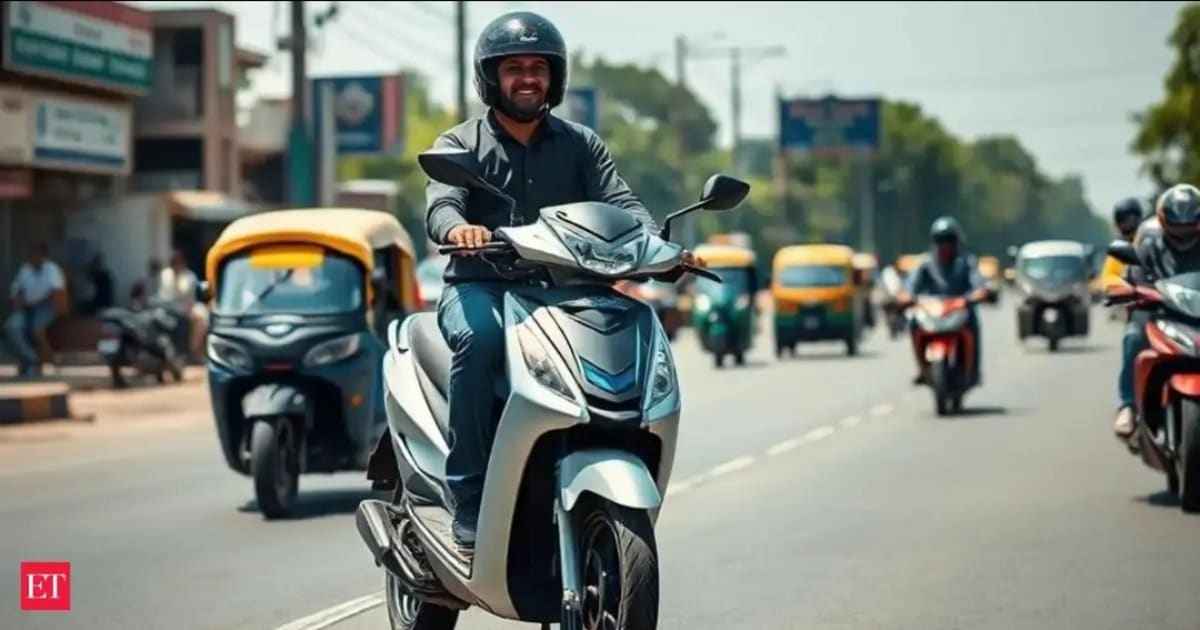
Electric two-wheelers remained the biggest contributor to total EV sales, with retail volumes at 1,93,735 units in June, up 74.98 percent year-on-year. The segment’s leadership was powered mainly by TVS Motor and Bajaj Auto, which together sold more than 90,000 electric scooters during the month.
TVS Motor led the segment with 47,006 units, while Bajaj Auto followed closely with 43,234 units. Ather Energy posted 31,188 units, Hero Vida sold 21,812 units, Ola Electric clocked 16,144 units, and Ampere rounded out the top six with 10,933 units.
The numbers indicate that the electric scooter market is becoming more competitive, but also more mature. TVS and Bajaj continue to dominate the mainstream market, while Ather holds strength in the performance and premium urban segment. Hero Vida has also strengthened its position by leveraging Hero MotoCorp’s network, while Ola’s volumes remain below the top three despite its early-market brand visibility.
Passenger EVs Hit Fresh Record
Electric passenger vehicles recorded their highest-ever monthly retail sales in June, crossing 31,800 units for the first time. The segment was led by Tata Motors, Mahindra & Mahindra, and JSW MG Motor India, which together accounted for the bulk of the market. Tata Motors retailed 12,187 units, maintaining its leadership position with 126.73 percent year-on-year growth. Mahindra followed with 7,766 units, up 121.06 percent from a year earlier, while JSW MG Motor India sold 5,861 units, growing 24.94 percent year-on-year.
Among newer and smaller players, Maruti Suzuki posted 1,919 units, VinFast recorded 1,404 units, and BYD sold 873 units. The data shows that EV adoption in passenger vehicles is widening beyond early leaders, with both legacy automakers and new entrants gaining traction.
Commercial EVs Gain Traction
Commercial EVs also contributed to the overall market strength, with June sales at 3,214 units, up 163 percent year-on-year. While still a smaller category, the segment is becoming more relevant as fleet operators and logistics companies look for lower operating costs.
Growth in the commercial category is being supported by the increasing use of electric vehicles in cargo movement, urban delivery, and fleet applications. As more businesses focus on reducing fuel expenses and emissions, the segment could become a more meaningful part of India’s EV landscape over time.
Three-Wheelers Remain The Backbone
Electric three-wheelers continued to be one of the most mature EV categories in India, with 77,448 units sold in June and EV penetration reaching 64.1 percent of three-wheeler retail sales. Mahindra Group, Bajaj Auto, and TVS Motor were the top three players in the segment.
Mahindra Group led with 12,838 units, up 75.2 percent year-on-year. Bajaj Auto followed with 11,279 units, while TVS Motor sold 3,823 units, more than doubling its volume from June 2025. Among other players, Piaggio Vehicles posted 1,501 units, while Dilli Electric Auto, Mini Metro EV, and Hooghly Motors also saw healthy growth.
The three-wheeler segment remains important because it has already moved far deeper into electrification than most other categories. The high penetration level suggests that EVs are now firmly established in urban passenger transport and intra-city logistics use cases.
What Is Driving The Growth
Several factors are supporting India’s EV adoption across segments. Lower running costs, expanding model choices, and stronger brand competition are making electric vehicles more practical for both personal and commercial buyers.
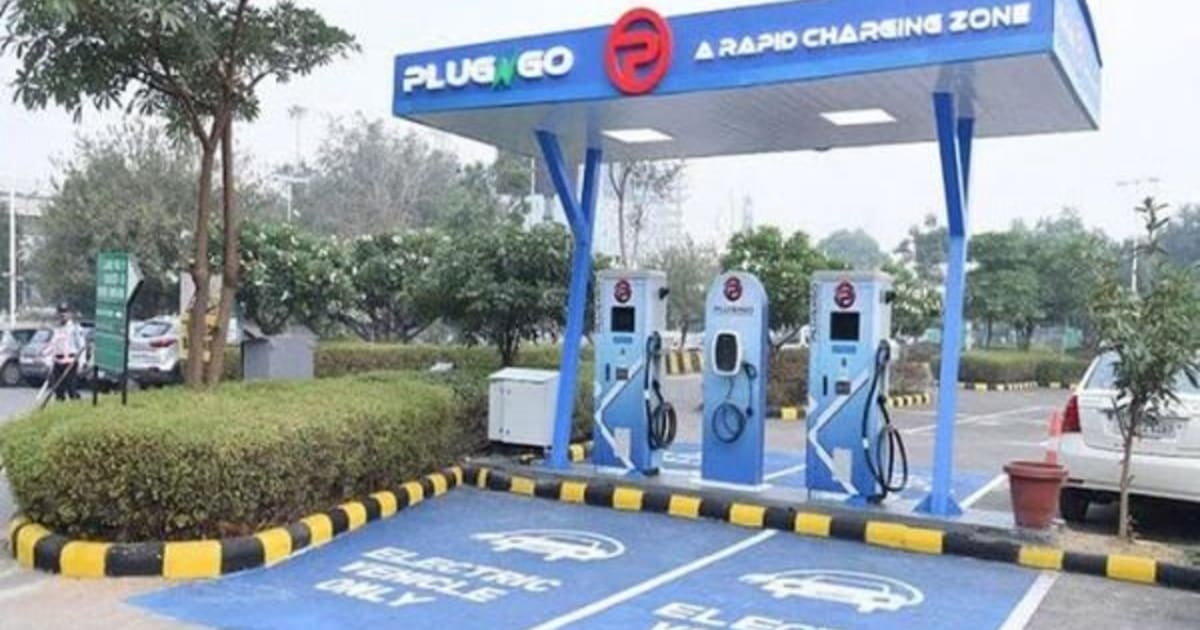
Infrastructure progress is also helping. As charging networks expand and more consumers become comfortable with EV ownership, demand is moving beyond early adopters and into the mass market.
Why June Stands Out
June was significant not only because sales hit a record, but also because adoption strengthened across categories at the same time. That makes the growth trend more durable than a spike driven by one segment alone.
For manufacturers, the data suggests there is room to compete across different price points and use cases. For investors, it signals that the EV market in India is entering a more commercial phase where scale, service, and distribution will matter as much as product design.
Outlook For The EV Market
The EV market is likely to remain on a strong growth path if current trends continue. Passenger EVs are scaling faster, e-two-wheelers are becoming the core mass-market category, and three-wheelers remain deeply electrified.
The next challenge will be maintaining momentum while improving charging access, battery economics, and affordability. If that happens, India’s EV retail market could keep setting new records in the months ahead.
India’s latest EV numbers show that the transition is no longer limited to a few headline brands. The shift is broadening, and the companies that combine scale, trust, and execution are likely to benefit most.

Nikunjj Jhawar is a Chartered Accountant (CA) and Chartered Financial Analyst (CFA) with nearly two decades of experience in the financial services industry. Having worked with global institutions such as HSBC and Credit Suisse in investment-related roles, he brings deep expertise in finance and markets. He is the Founder of mangopeoplenews.com, where he focuses on making complex topics in finance, markets and business accessible and relevant to everyday readers.