The New Battle Is No Longer About Fast Delivery—It's About Affordable Meals
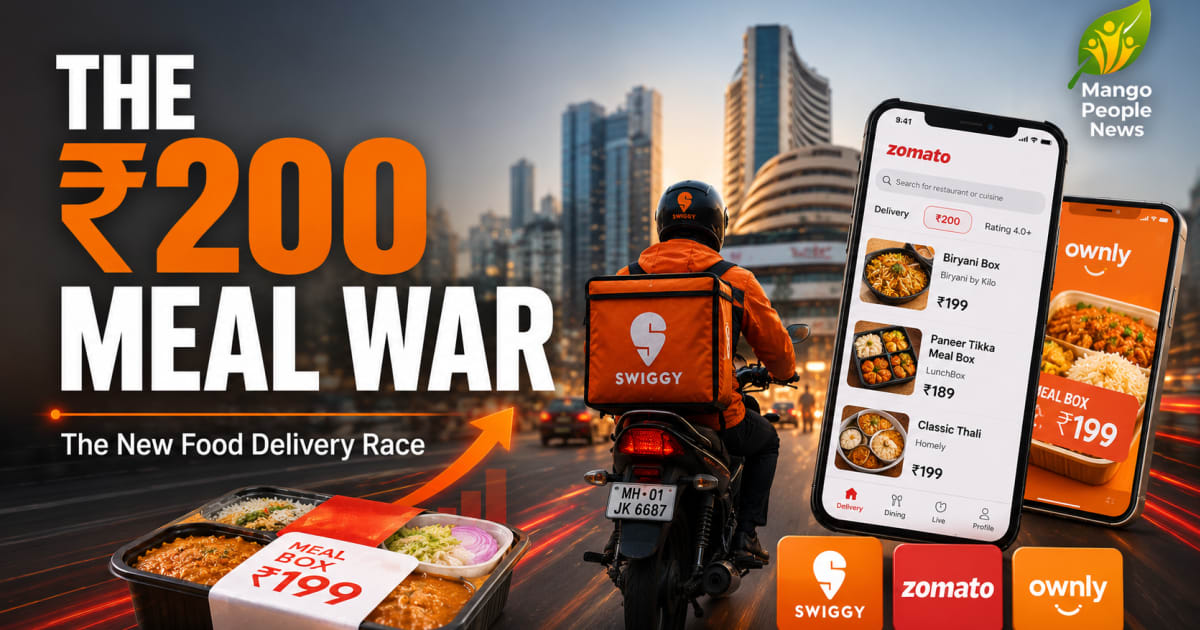
For years, India's food delivery platforms competed on faster delivery, wider restaurant choices and premium customer experience.
Today, the battleground has shifted to something much simpler—the ₹200 meal.
Swiggy , Zomato and several emerging players are increasingly focusing on affordable meal options designed for office workers, students and middle-income households. The objective is not merely to sell cheaper food but to encourage customers to order more frequently.
This marks an important shift in the industry's strategy.
Until recently, food delivery was largely viewed as an occasional convenience for weekends or special occasions. Companies now want it to become part of consumers' everyday routines.
If ordering lunch or dinner online costs around the same as eating at a neighbourhood restaurant, the barriers to adoption become significantly lower.
That is why the ₹200 price point has emerged as one of the most fiercely contested segments in India's food delivery market.
Why ₹200 Has Become A Critical Price Point
Consumer behaviour is changing rapidly. High inflation and rising living costs have made households more conscious about discretionary spending. At the same time, India's growing workforce increasingly values convenience.
The challenge for food delivery companies is finding the balance between affordability and profitability. Around the ₹200 mark, consumers begin comparing online food delivery with alternatives such as Office cafeterias, Local restaurants, Home-cooked meals, Street food and Tiffin services.
If platforms can consistently offer good-quality meals within this budget, they have a much greater chance of converting occasional users into regular customers. In other words, the ₹200 meal is less about pricing and more about building long-term customer habits.
The Real Metric Is Order Frequency, Not Order Value
Most people assume food delivery companies want customers to spend more on every order.
Increasingly, the opposite is true. Platforms are now focusing on increasing how often customers order rather than simply increasing the size of each bill.
A customer who orders four ₹200 meals every week may generate greater long-term value than someone who orders a single ₹700 meal once a month. This improves:
Customer retention.
Subscription adoption.
Delivery utilisation.
Restaurant engagement.
Advertising opportunities.
Higher order frequency also strengthens platform loyalty, making customers less likely to switch to competitors.

Every Platform Is Taking A Different Route
Although all major players are targeting value-conscious consumers, their approaches differ.
Swiggy
Affordable meal categories, membership benefits and targeted offers
Zomato (Eternal)
Budget-friendly combos, loyalty programmes and restaurant partnerships
ONDC
Lower platform costs through an open-network model
Rebel Foods
Cloud kitchen brands and menu innovation
Rapido-backed food initiatives
Lower-cost delivery and simplified operating model
Instead of competing only on discounts, companies are experimenting with different combinations of pricing, delivery fees, subscriptions and restaurant partnerships.
The objective is to reduce the total cost of ordering while maintaining sustainable economics.
Restaurants Are Also Rethinking Their Menus
The ₹200 battle is changing how restaurants design their offerings. Many restaurants are introducing:
Fixed-price meal boxes.
Office lunch combinations.
Value combos.
Single-person meals.
Regional thalis.
Limited-time offers.
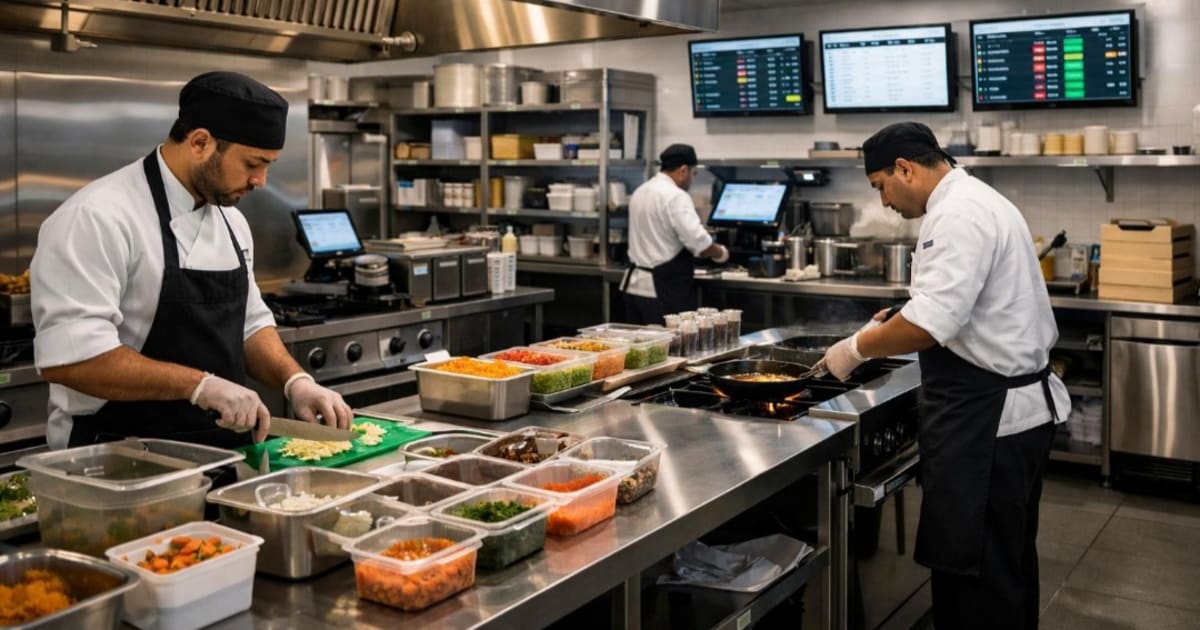
These menu formats improve kitchen efficiency while helping restaurants attract a larger customer base.
Cloud kitchens are particularly well positioned because they can optimise menus around delivery rather than dine-in experiences.
Can Affordable Meals Still Generate Profits?
This remains the industry's biggest challenge.
Every food delivery order involves multiple stakeholders:
Restaurant partners.
Delivery executives.
Technology platforms.
Payment providers.
The revenue generated from a ₹200 order must cover Food preparation, Delivery costs, Packaging, Platform commissions, Customer support and Marketing expenses.
This explains why companies cannot rely on discounts indefinitely. Instead, they aim to improve profitability through Better route optimisation, AI-driven demand forecasting, Subscription programmes, Higher delivery density and Operational efficiency.
Ultimately, sustainable profits will depend on reducing operating costs rather than simply increasing prices.
The Opportunity Extends Beyond Swiggy And Zomato
The growth of affordable food delivery creates opportunities across the broader ecosystem. Beneficiaries include:
Cloud Kitchens
Rebel Foods, Curefoods and regional brands
Restaurant Chains
QSR operators and organised restaurants
Digital Payments
UPI ecosystem and payment providers
Packaging
Food packaging manufacturers
Logistics
Last-mile delivery companies
Technology
Restaurant SaaS and POS providers
This demonstrates that India's food delivery expansion is supporting an entire ecosystem rather than just two major platforms.
Challenges Still Remain
Despite rising demand, several risks could affect long-term profitability. These include:
Intense discount-led competition.
Pressure on restaurant margins.
Rising delivery costs.
Increasing food inflation.
Customer loyalty challenges.
Regulatory scrutiny.
Competition from ONDC and new entrants.
Balancing affordability with sustainable unit economics remains the industry's biggest test.
The Bottom Line
The fight over the ₹200 meal is about much more than pricing. It reflects the next stage of evolution for India's food delivery industry.
The market is gradually shifting from premium convenience towards everyday affordability, where success will depend on making online food ordering a regular habit rather than an occasional luxury.
Companies that can consistently deliver affordable meals while maintaining healthy restaurant relationships, efficient logistics and sustainable profitability are likely to emerge as long-term leaders.
The winner of India's food delivery race may not be the platform offering the biggest discounts, but the one that successfully makes ordering food online an everyday behaviour for millions of consumers.

Nikunjj Jhawar is a Chartered Accountant (CA) and Chartered Financial Analyst (CFA) with nearly two decades of experience in the financial services industry. Having worked with global institutions such as HSBC and Credit Suisse in investment-related roles, he brings deep expertise in finance and markets. He is the Founder of mangopeoplenews.com, where he focuses on making complex topics in finance, markets and business accessible and relevant to everyday readers.

