Can the "Wok" King Fix the Burger King? Inside Inspira’s ₹2,235-Crore Bet to Revive Restaurant Brands Asia

The Indian quick-service restaurant (QSR) landscape has just witnessed its most significant consolidation in years. Inspira Global, led by first-generation food entrepreneur Aayush Agrawal and backed by the family wealth of pharmaceutical giant Ajanta Pharma, has successfully completed its ₹2,235-crore acquisition of a controlling 41.78% stake in Restaurant Brands Asia (RBA)—the national master franchisee of Burger King in India and Indonesia.
The deal, executed through Inspira’s food and beverage platform Lenexis Foodworks (the operator behind the popular homegrown chain Chinese Wok), signals a clean break from RBA’s founding private equity backer, Everstone Capital. However, as the newly appointed Chairman Madhusudan Agrawal and Director Aayush Agrawal take the reins, they inherit a dual challenge: fixing a fundamentally broken business model in Burger King India while figuring out how to stop the cash bleed in its Indonesian operations.
1. The Financial Anatomy of the Takeover
The acquisition of RBA is not a simple secondary share swap. It is a highly structured, multi-tier transaction designed to inject urgent liquidity directly into RBA’s balance sheet while cementing Inspira’s operational control. The capital deployment is divided into three strategic buckets:
The PE Buyout: Inspira acquired Everstone Capital’s (QSR Asia) entire 11.26% stake for approximately ₹460 crore, providing the exiting private equity firm with a clean break.
Primary Capital Infusion: RBA issued 12.86 crore new equity shares to Inspira at ₹70 per share, infusing ₹900 crore of fresh primary capital directly into the operating business. Additionally, Lenexis received 8.57 crore warrants (exercisable within 18 months), which will bring in another ₹600 crore and lift Inspira's aggregate stake to 48.04%.
The SEBI Mandated Open Offer: In accordance with SEBI Takeover Regulations, Inspira launched an open offer to acquire up to 26% of RBA’s public voting capital at ₹70 per share, representing a total potential outlay of ₹1,456 crore.
2. The Inherited Problem: The Structural Margins of Burger King India
Despite its widespread brand recognition, Burger King India has long struggled with a fundamental QSR paradox: high top-line revenues but persistently thin bottom-line margins.
While major competitor Domino's India (operated by Jubilant FoodWorks) historically maintains operating margins of 20% to 22% due to its delivery-first, low-real-estate footprint, Burger King is burdened by high capital expenditure.
The Real Estate Bottleneck
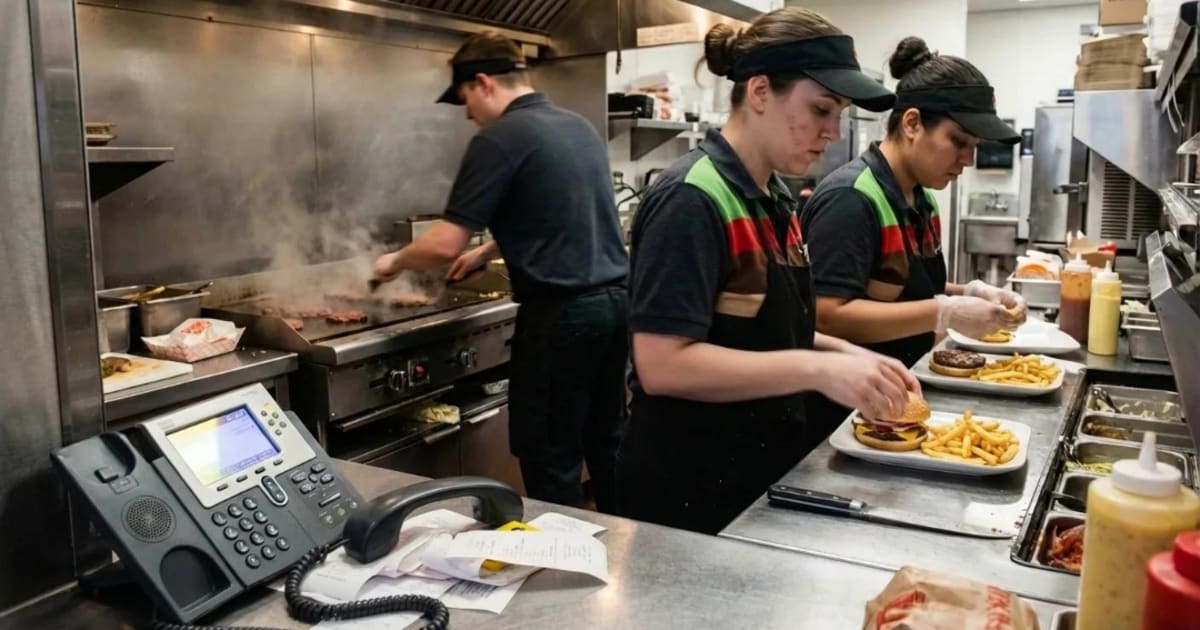
Burger King’s dine-in model requires premium, high-footfall real estate located in malls and tier-one high streets. These properties command steep lease structures and high utility costs. When combined with royalties paid to the global franchisor (Restaurant Brands International), the store-level profitability is heavily squeezed before corporate overheads are even accounted for.
Same-Store Sales Growth (SSSG) Pressures
RBA's financial reports have consistently highlighted a cooling of same-store sales growth. In an inflationary environment where dairy, poultry, and vegetable prices have steadily climbed, Burger King has struggled to raise prices without alienating value-conscious Indian consumers who heavily favor local street food or lower-cost alternatives.
3. The Indonesia Drag: Popeyes and the Regional Cash Bleed
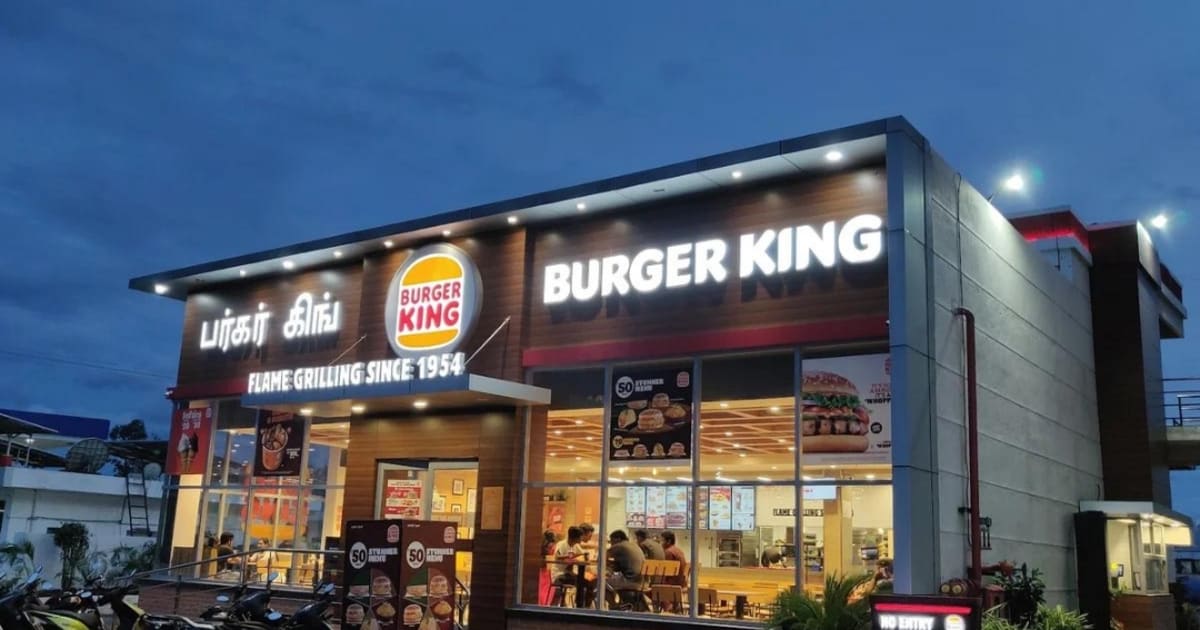
While the Indian operations require optimization, RBA’s biggest financial drain lies across the Indian Ocean. The company’s acquisition of the Popeyes brand and expansion of Burger King in Indonesia has acted as a persistent drag on group profitability. The Indonesian expansion has faced deep operational headwinds:
Fierce Local Competition: The Indonesian fast-food market is heavily dominated by entrenched players, particularly KFC and local bento-box QSR chains, which enjoy massive supply chain advantages.
Sub-Scale Infrastructure: Popeyes remains in a sub-scale, heavy-investment phase in Indonesia. Building brand awareness and setting up cold chains from scratch has required continuous capital support from the Indian parent, diluting RBA's consolidated earnings per share (EPS).
The Funding Loop: Prior to Inspira’s entry, RBA was essentially taking the cash generated by its Indian stores and routing it to fund losses in Southeast Asia—a structure that public market investors heavily penalized, dragging RBA's stock price down significantly.
4. The Agrawal Playbook: Integrating Lenexis Foodworks' DNA
Aayush Agrawal is not a typical corporate executive; he is a seasoned, hands-on QSR operator who built Lenexis Foodworks (Chinese Wok, Big Bowl Co, and The Momo Co.) into a massive domestic network of over 250 outlets across 45+ cities.
Agrawal’s operational philosophy is built on high asset turn and tight kitchen economics, which he is now expected to introduce to Burger King’s legacy footprint.
Transitioning to a Co-Located, Multi-Brand Kitchen Model
Lenexis has mastered the art of running multiple brands out of a single kitchen footprint (e.g., prep areas shared between Chinese Wok and The Momo Co.). While Burger King must remain a standalone brand, Inspira has a unique opportunity to optimize RBA's massive back-of-house real estate by co-locating digital-only delivery brands, driving up sales per square foot.
Supply Chain Synergy
By combining the logistics networks of Chinese Wok and Burger King, the combined entity commands significantly higher bargaining power over major agricultural suppliers, cold-chain logistics providers, and packaging manufacturers.
5. Valuation Benchmarks: How the Market Prices the Turnaround
Prior to Inspira’s acquisition, public markets priced RBA as an industry laggard. However, the fresh cash infusion of up to ₹1,500 crore (equity + warrants) fundamentally resets the company's valuation framework.
Implied Enterprise Value - ~₹5,000 Cr
EBITDA Margin - 10.5% - 12.0% via synergy
Franchise Agreement - Extended to 2050
Debt/Equity - Deleveraged via ₹900Cr equity
The extension of RBA's master franchise agreements for both Burger King and Popeyes until 2050 provides Inspira with a stable, 24-year runway to execute this turnaround without any near-term renewal risks hanging over the business.
Conclusion: Patient Capital Confronts QSR Realities
Inspira Global's takeover of Restaurant Brands Asia marks a major shift from short-term private equity goals to long-term operational management. By injecting ₹900 crore of primary capital, the Agrawal family has resolved RBA’s immediate liquidity constraints and cleared the deck for aggressive local restructuring.
However, the ultimate success of this ₹2,235-crore bet will not be decided by financial engineering. It will depend on whether Aayush Agrawal can successfully apply the lean, high-efficiency kitchen economics of Chinese Wok to the heavy, high-capex framework of Burger King, while systematically cutting the company's financial losses in Indonesia. Until those structural fixes are fully implemented, RBA will remain a high-potential turnaround story rather than a stable compounding asset.
Nikunjj Jhawar is a Chartered Accountant (CA) and Chartered Financial Analyst (CFA) with nearly two decades of experience in the financial services industry. Having worked with global institutions such as HSBC and Credit Suisse in investment-related roles, he brings deep expertise in finance and markets. He is the Founder of mangopeoplenews.com, where he focuses on making complex topics in finance, markets and business accessible and relevant to everyday readers.


