IOC's ₹75,000 Crore Bet Could Make India An Even Bigger Global Refining Power

India imports nearly 90% of the crude oil it consumes, making it one of the world's largest energy importers. At first glance, that might seem like a strategic weakness. Yet the country has quietly built another strength that often goes unnoticed—it has become one of the world's leading exporters of refined petroleum products.
Instead of simply consuming imported crude, Indian refiners convert it into high-value products such as petrol, diesel, aviation turbine fuel (ATF), LPG and petrochemical feedstocks before supplying both domestic and international markets.
Now, Indian Oil Corporation (IOC) is preparing for another major leap.
The state-owned energy giant is investing around ₹75,000 crore to expand refining capacity across three major projects. Together, these investments are expected to add 17.3 million metric tonnes per annum (MMTPA) of capacity by the end of the year, potentially increasing India's refined fuel exports by nearly 25% over time.
The expansion is more than just a capacity addition. It reflects India's broader ambition to strengthen its position as one of the world's most important refining and energy processing hubs.
Why Refining Matters More Than Crude Oil
Many people assume that countries rich in crude oil automatically dominate the energy business.
In reality, refining is where much of the value is created. Crude oil itself cannot be used directly in most vehicles or industries. It must first pass through sophisticated refining processes that separate hydrocarbons into products such as Petrol, Diesel, Aviation Turbine Fuel (ATF), Liquefied Petroleum Gas (LPG), Naphtha, Bitumen, Lubricants and Petrochemical feedstocks.
Each product serves different industries and commands different market prices. Modern refineries therefore function as highly complex manufacturing facilities rather than simple fuel-processing plants.
How India Became A Global Refining Hub
Over the past two decades, India has invested aggressively in large, technologically advanced refineries.
Today, the country operates some of the world's biggest and most complex refining facilities, capable of processing a wide variety of crude oil grades from different parts of the world. Several factors have contributed to India's rise:
Strategic coastal refinery locations.
Access to global shipping routes.
Growing domestic fuel demand.
Large-scale refinery investments.
Advanced refining technologies.
Competitive operating costs.
Strong export infrastructure.
This combination allows Indian refiners to purchase crude from global markets, process it efficiently and export refined fuels to Asia, Africa, Europe and other regions.
The strategy not only improves export earnings but also strengthens India's role in global energy supply chains.
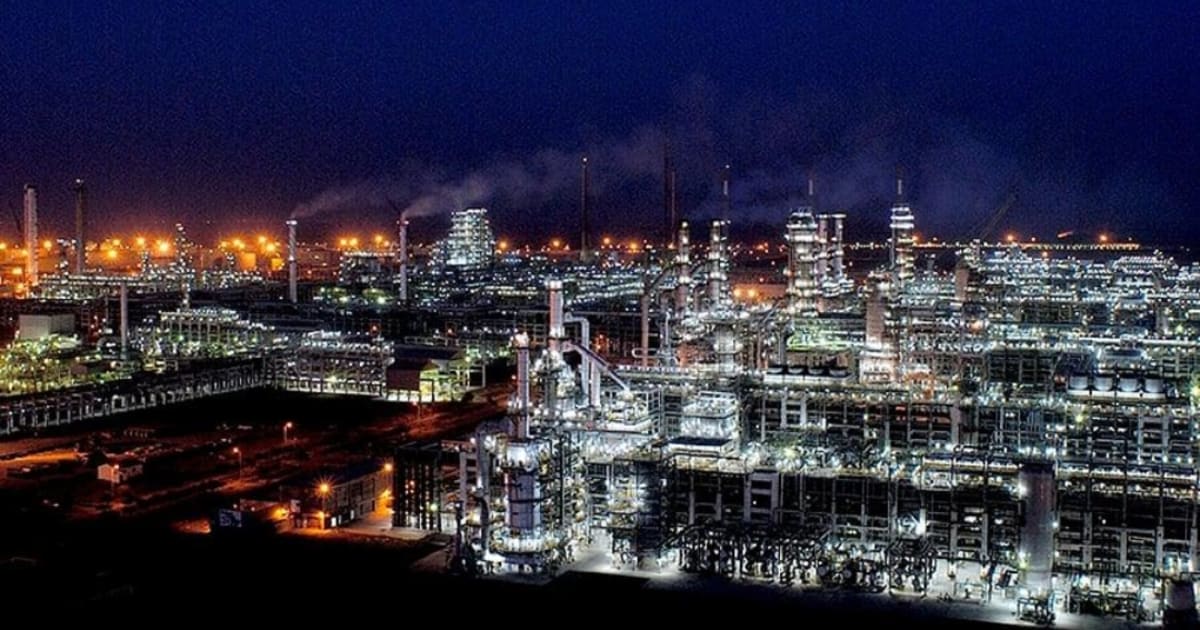
IOC's Expansion Is Among Its Biggest Investment Plans
Indian Oil's latest investment programme spans three major refinery projects that together will significantly enhance the company's production capacity. The additional 17.3 MMTPA will allow IOC to process more crude while increasing production of transport fuels and petrochemical feedstocks. The expansion is expected to support Rising domestic fuel demand, Higher export volumes, Better refinery utilisation, Greater operational efficiency and Increased petrochemical production.
As India's economy continues expanding, demand for transportation fuels, aviation fuel and industrial feedstocks is also expected to rise steadily. The new capacity therefore addresses both domestic consumption and export opportunities.
Exports Could Become An Even Bigger Growth Driver
India already exports substantial volumes of refined petroleum products despite importing most of its crude oil.
The economics are straightforward.
Rather than selling crude, refiners create higher-value products that command better prices in international markets. As additional refining capacity comes online, India's exports of petrol, diesel and other fuels could rise significantly. Growing demand from developing economies in Asia, Africa and parts of Latin America is expected to provide additional opportunities for Indian refiners.
This not only strengthens foreign exchange earnings but also reinforces India's position as a reliable supplier in global energy markets.
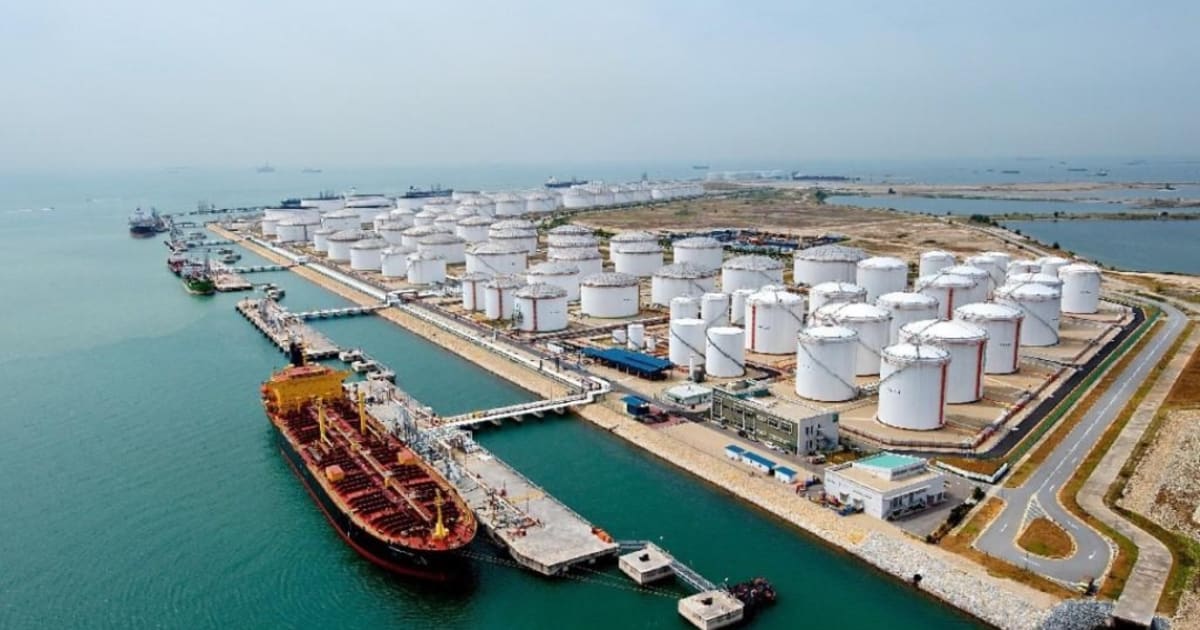
IOC Is Evolving Beyond Traditional Fuels
While refining remains its core business, Indian Oil is gradually transforming into a diversified energy company. The company has been investing across several emerging areas Petrochemicals, Green hydrogen, Biofuels, Ethanol blending, Natural gas infrastructure, EV charging networks, Pipeline expansion and Renewable energy.
These initiatives reflect the industry's recognition that future energy demand will become increasingly diversified. Instead of depending solely on petrol and diesel, energy companies are preparing for a future that includes multiple fuel technologies.
Petrochemicals Could Become The Next Growth Engine
One of the most important trends in global refining is the growing integration between refineries and petrochemical complexes.
Petrochemicals are used in the production of Plastics, Synthetic fibres, Packaging materials, Consumer goods, Medical equipment, Electronics and Automotive components.
Unlike transportation fuels, demand for petrochemical products is expected to remain relatively resilient even as electric vehicles gradually reduce gasoline consumption.
For refiners, expanding petrochemical capacity provides an additional source of long-term earnings while reducing dependence on fuel margins alone.
Competition Is Intensifying
IOC remains India's largest state-owned refiner, but competition across the sector continues to increase. Major players include:
Reliance Industries.
Nayara Energy.
Bharat Petroleum (BPCL).
Hindustan Petroleum (HPCL).
Each company is investing in refinery upgrades, cleaner fuels, petrochemicals and energy transition initiatives.
Rather than competing solely on refining capacity, future success will increasingly depend on operational efficiency, product diversification and technological innovation.
What Could Slow The Story?
Despite favourable long-term demand trends, refining remains a cyclical business. Several risks could affect profitability Volatile crude oil prices, Changes in global refining margins, Geopolitical disruptions, Slower economic growth, Environmental regulations, Faster-than-expected EV adoption and Carbon transition policies.
Refiners must therefore balance expansion with flexibility as the global energy landscape evolves.
The Bottom Line
Indian Oil's ₹75,000 crore expansion represents much more than an increase in refinery capacity.
It reflects India's long-term strategy of creating value by transforming imported crude into high-value refined products for both domestic consumers and international markets.
As additional capacity comes online, the country could strengthen its position as one of the world's leading refining and fuel export hubs while supporting energy security and industrial growth.
At the same time, IOC's investments in petrochemicals, green hydrogen, biofuels and cleaner energy technologies indicate that the company is preparing for an energy system that extends well beyond conventional fuels.
For India, the future of refining is no longer just about processing crude oil—it's about building an integrated energy ecosystem capable of serving both today's fuel demand and tomorrow's energy transition.

Nikunjj Jhawar is a Chartered Accountant (CA) and Chartered Financial Analyst (CFA) with nearly two decades of experience in the financial services industry. Having worked with global institutions such as HSBC and Credit Suisse in investment-related roles, he brings deep expertise in finance and markets. He is the Founder of mangopeoplenews.com, where he focuses on making complex topics in finance, markets and business accessible and relevant to everyday readers.