

Skyroot's Vikram-1 Mission Could Redefine India's Private Space Industry

Prefer watching? Video version available
India Just Joined SpaceX and China in an Exclusive Space Club
Skyroot Is Chasing More Than a Rocket Launch
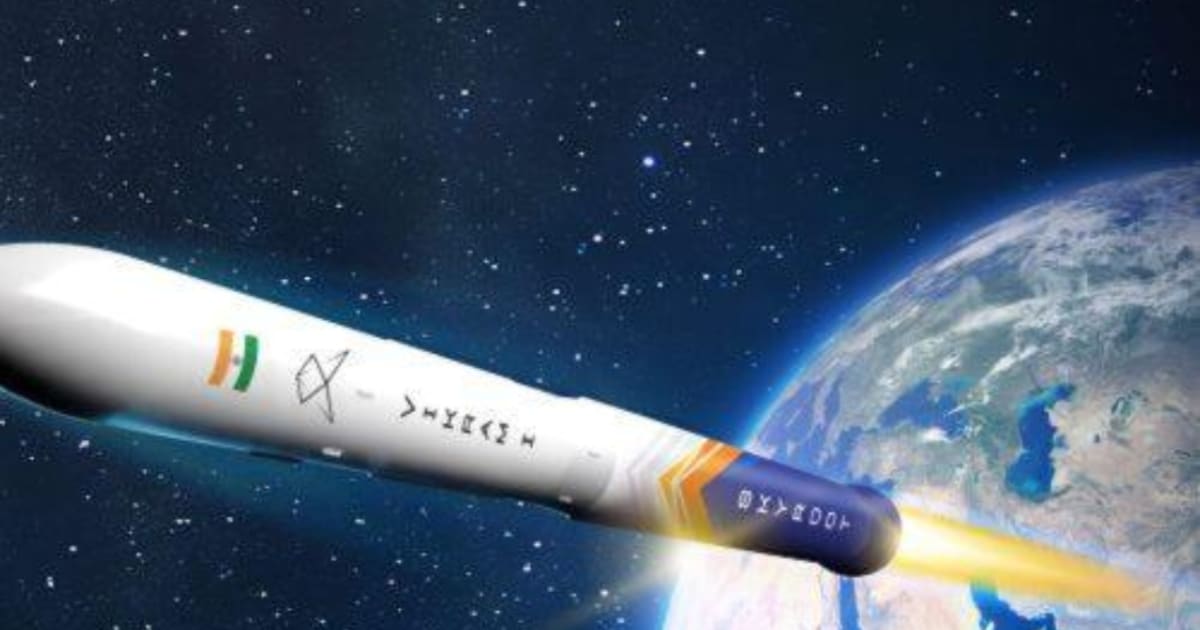
India's private space industry is approaching a defining moment. Hyderabad-based Skyroot Aerospace is preparing for the maiden launch of its Vikram-1 rocket, a mission that could place the company among a select group of private firms worldwide capable of independently designing, building and launching orbital rockets.
While the launch itself is significant, the bigger story is what it represents for India's rapidly evolving space economy. A successful mission would demonstrate that Indian private companies are capable of competing in one of the world's most technologically demanding industries—an area that was once dominated almost entirely by government space agencies.
What Makes Vikram-1 So Important?
Unlike suborbital demonstration missions, Vikram-1 is designed to place satellites into orbit. The rocket has been developed to serve the growing market for small satellite launches, one of the fastest-expanding segments of the global space industry. Its key objectives include:
Launching satellites into low Earth orbit.
Providing dedicated launch services.
Reducing waiting time for satellite operators.
Offering flexible launch schedules.
Supporting commercial and government customers.
As more countries and companies deploy Earth observation, communication and IoT satellites, demand for smaller, cost-effective launch vehicles is expected to increase.
India's Space Reforms Opened the Door
For decades, India's space programme was led almost exclusively by ISRO. That changed after the government introduced reforms allowing private companies greater access to the sector through policy support and the creation of IN-SPACe, which facilitates participation by non-government entities.
These reforms enabled startups such as Skyroot Aerospace, Agnikul Cosmos, Pixxel, Bellatrix Aerospace and Digantara to develop technologies that were previously limited to government programmes.
The result has been the emergence of a vibrant private space ecosystem attracting domestic and international investors.
Skyroot's Journey from Startup to Launch Pad
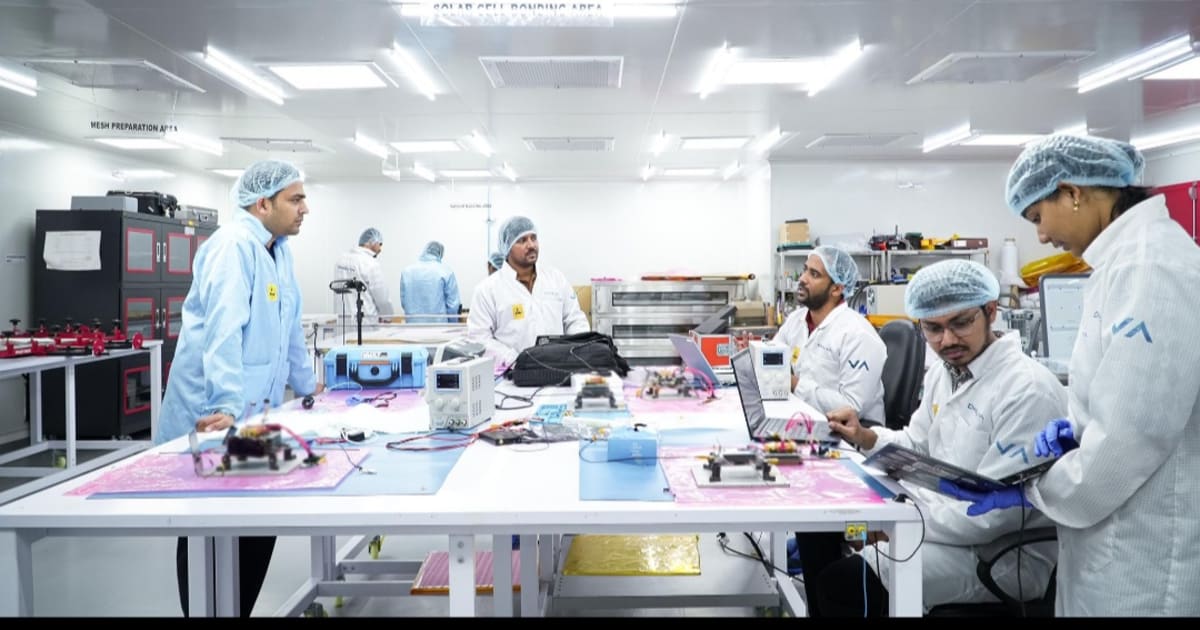
Founded in 2018 by former ISRO engineers, Skyroot Aerospace has rapidly become one of India's most prominent space startups.
The company achieved a major milestone in 2022 with the successful launch of Vikram-S, India's first privately developed rocket to reach space.
That mission validated several technologies, but Vikram-1 is a much bigger challenge because it aims to place payloads into orbit—an achievement that only a limited number of companies globally have accomplished.
Success would significantly strengthen Skyroot's credibility in the international commercial launch market.
Why the Commercial Space Market Is Growing Rapidly
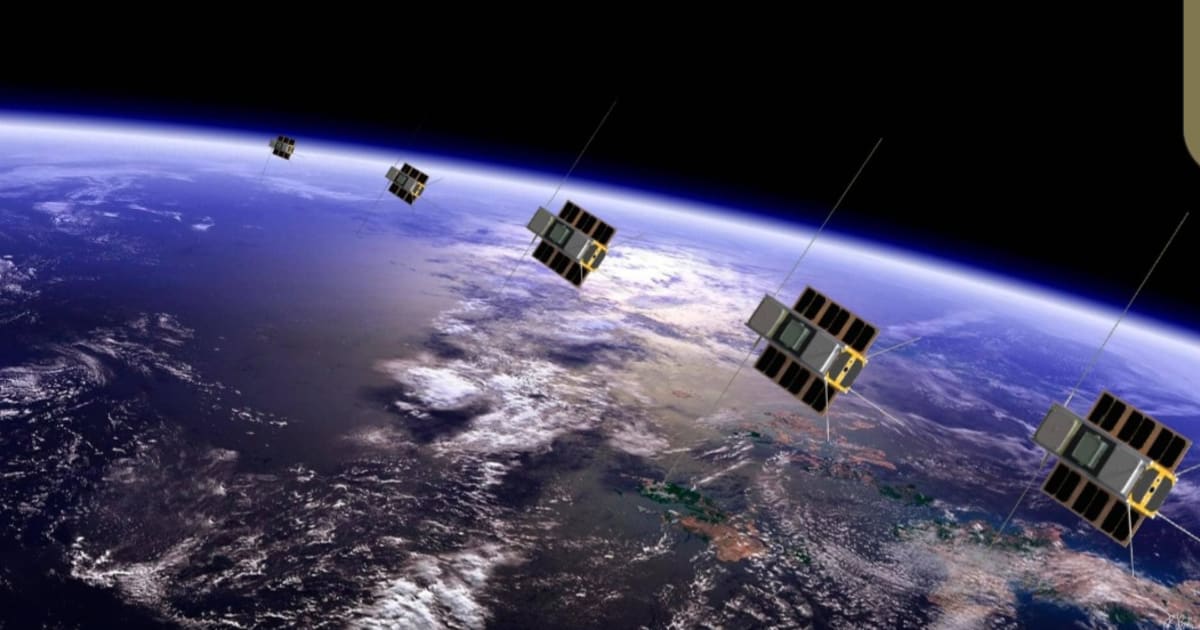
The global space economy is undergoing a structural transformation. Instead of relying solely on large government satellites, businesses are increasingly deploying smaller constellations for:
Broadband connectivity.
Earth observation.
Climate monitoring.
Navigation.
Defence applications.
Agriculture.
Maritime tracking.
Disaster management.
This shift has created strong demand for launch providers that can offer frequent, dedicated and cost-efficient missions.
Skyroot aims to position itself in this high-growth segment.
Funding and Business Outlook
Skyroot has attracted funding from leading institutional investors and strategic backers, reflecting confidence in India's commercial space opportunity. The company generates value through:
Commercial satellite launches.
Launch service contracts.
International customers.
Government missions.
Long-term launch partnerships.
Although still in the investment phase, commercial success will depend on achieving consistent launch reliability and building a robust order book.
Challenges Ahead
Launching a rocket successfully is only the beginning. The company must also overcome several long-term challenges:
Maintaining a high launch success rate.
Scaling manufacturing.
Winning international contracts.
Managing regulatory requirements.
Competing with established global players.
Raising capital for expansion.
Keeping launch costs competitive.
Building a sustainable commercial launch business requires far more than a single successful mission.
Why Vikram-1 Matters for India's Space Economy
The significance of Vikram-1 extends beyond Skyroot. A successful orbital launch could:
Boost investor confidence in Indian space startups.
Encourage greater private investment.
Strengthen India's position in the global launch market.
Expand opportunities for satellite manufacturers.
Accelerate innovation across the domestic aerospace ecosystem.
The Bottom Line
Skyroot Aerospace's Vikram-1 mission is more than the launch of a new rocket—it is a test of India's private space ambitions.
If the mission succeeds, it will demonstrate that Indian startups can develop sophisticated launch systems capable of serving customers worldwide. More importantly, it could accelerate the growth of an ecosystem that includes satellite manufacturers, component suppliers, propulsion specialists and space technology innovators.
For India's startup ecosystem, Vikram-1 is not simply another launch. It is an opportunity to prove that the country can move from being a respected spacefaring nation to becoming a globally competitive commercial space power.
Prefer watching?
This article has a video version — watch it now

Nikunjj Jhawar is a Chartered Accountant (CA) and Chartered Financial Analyst (CFA) with nearly two decades of experience in the financial services industry. Having worked with global institutions such as HSBC and Credit Suisse in investment-related roles, he brings deep expertise in finance and markets. He is the Founder of mangopeoplenews.com, where he focuses on making complex topics in finance, markets and business accessible and relevant to everyday readers.
