MEIL’s big bet: ₹40,000 crore capex, new JVs and a ₹2 lakh crore topline target by FY31

Hyderabad-based Megha Engineering & Infrastructures Ltd. (MEIL) is making one of its most ambitious expansion moves yet. The infrastructure and engineering major is planning to invest about ₹40,000 crore in capital expenditure over the next two to three years, while setting its sights on a topline of ₹2 lakh crore over the next five years. The strategy marks a major shift in MEIL’s journey from a large EPC player into a broader industrial and technology-led conglomerate.
For a company long associated with large engineering, procurement and construction projects, the new capex plan signals something bigger than routine expansion. MEIL is preparing to stretch into a mix of infrastructure, manufacturing, energy, defence, electric mobility and advanced technology verticals. In other words, the group is trying to build multiple engines of growth rather than depending only on traditional project execution.
A growth story built on scale
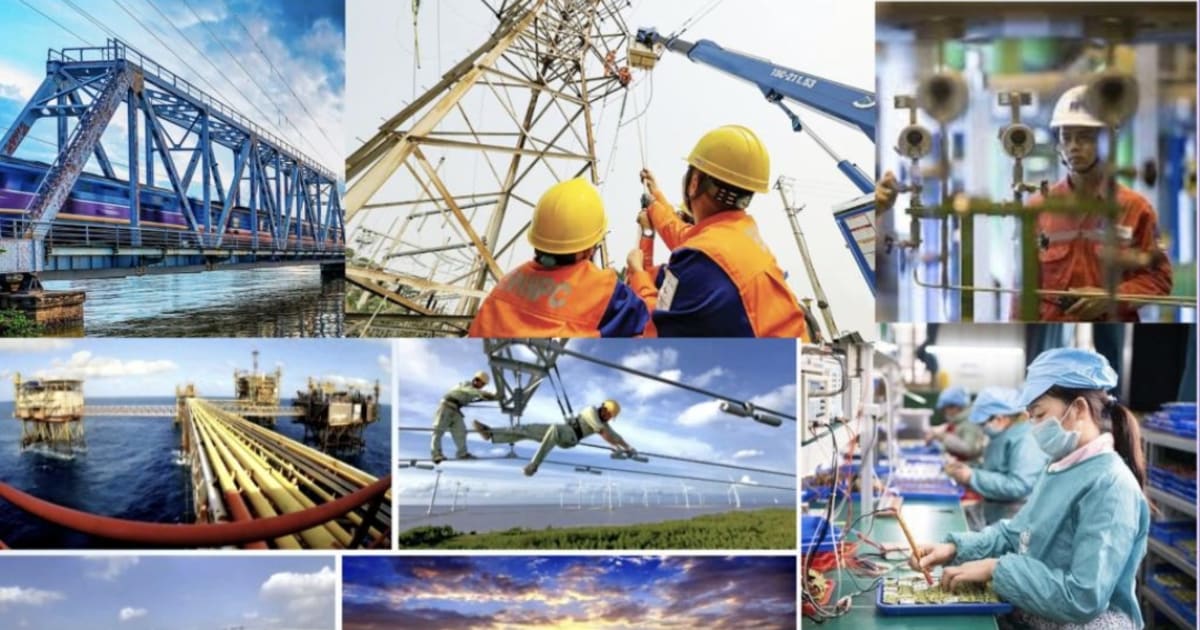
MEIL’s rise has been driven by its ability to execute large, complex infrastructure projects across India. Over the years, the company has built a strong presence in irrigation, drinking water, roads, tunnels, rail-related infrastructure, power and energy-linked EPC work. That diversified base has helped it become one of the more closely watched private-sector infrastructure names in the country.
The scale of the business is already substantial. Publicly available market and rating reports have placed MEIL’s FY24 revenue at around ₹42,442 crore, up 34% from ₹31,766 crore in FY23. That kind of growth, at that revenue base, is significant in itself because it reflects both strong project execution and the ability to book large orders into revenue.
The company’s order book adds another layer of comfort. Ratings and market reports have cited a standalone order book of roughly ₹2.25 lakh crore to ₹2.28 lakh crore in recent updates. That gives MEIL unusually strong visibility for the years ahead and helps explain why management is comfortable talking about a five-year topline target that looks bold even by infrastructure-industry standards.
Why the new capex matters
The proposed ₹40,000 crore capex is not just about adding capacity to the existing project business. It is meant to support MEIL’s wider transformation into an industrial group with multiple business lines. The money is expected to back projects in batteries, cells, electric mobility, defence manufacturing, city gas distribution and technology-led infrastructure platforms.
This matters because the infrastructure business, while large, is still dependent on government contracts, execution cycles and project timing. By contrast, manufacturing and platform businesses can potentially offer more recurring revenues, higher entry barriers and stronger long-term valuation profiles if executed well. MEIL seems to be betting that this combination will reduce dependence on traditional EPC work over time.
The scale of the planned capex also suggests confidence in cash flow and execution capability. A company does not announce such a large investment plan unless it believes it can continue winning orders, completing projects and preserving financial strength. That is especially important in the infrastructure sector, where growth can look impressive on paper but still prove difficult to sustain if working capital and leverage get out of hand.
Physical intelligence: MEIL’s new tech play
One of the most eye-catching parts of MEIL’s latest expansion is its new partnership with Abu Dhabi-based Analog. The two companies have formed a 50:50 joint venture to bring “physical intelligence” to India for the first time, with planned investment of around US$300 million to US$500 million over the next three to four years.
The idea behind the partnership is to develop intelligent infrastructure that can sense, predict and respond in real time. That could have applications in cities, industries, mobility systems and other physical environments where data, automation and machine intelligence can improve efficiency. For MEIL, this is a clear signal that it wants to participate in the next generation of infrastructure, not just the current one.
The Analog tie-up is also strategically important because it brings technology capability into the MEIL ecosystem. The group already has deep project execution experience, and the partnership gives it a path into smart infrastructure without having to build every capability from scratch. In that sense, the deal looks like a classic scale-plus-technology combination.
EV ambitions and passenger cars
MEIL is also preparing to enter the passenger car market through an electric vehicle joint venture. Reports indicate that the company is in the final stages of putting this plan together, with a technology partner expected to provide the know-how while MEIL focuses on execution and manufacturing scale.
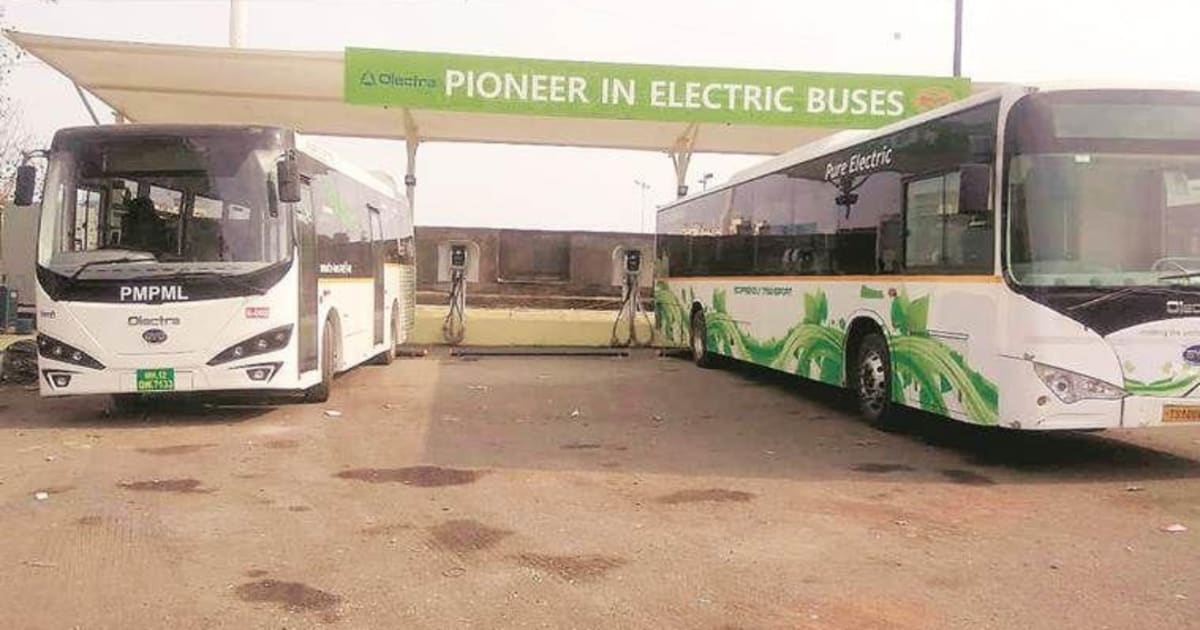
This would be a major step up from MEIL’s existing mobility-related businesses. The group already has exposure to electric buses through Olectra Greentech, and a passenger car foray would place it in a far more competitive and visible segment of the EV ecosystem. If executed successfully, it could give MEIL a new growth platform outside government-led infrastructure contracts.
The broader logic is clear. India’s EV market is still evolving, and there is room for industrial players with engineering depth, manufacturing ambition and access to capital. MEIL appears to believe it can use its balance-sheet strength and execution experience to become more than just a contractor in that transition.
Other verticals in the mix
Beyond infrastructure, EVs and physical intelligence, MEIL is also moving into several adjacent verticals. These include defence manufacturing, city gas distribution, battery and cell manufacturing, and other technology-linked industrial businesses. The company has reportedly said it now spans around 13 business verticals and serves about 10 million city gas connections.
That breadth is unusual for a private Indian infrastructure company, but it also reflects a deliberate strategy. Instead of relying on a single future growth story, MEIL is building a portfolio of businesses that can support each other over time. Infrastructure execution can feed manufacturing, manufacturing can feed new technology platforms, and strategic partnerships can speed up entry into specialised sectors.
The group is also said to be exploring IPOs for some subsidiaries over time, which could help unlock value and create separate capital-raising pathways for individual businesses. Reports suggest that some units may be taken to market in phases, starting with Evey Trans Pvt Ltd and later defence and gas distribution businesses.
Financial strength and risk
MEIL’s financial profile appears strong enough to support its ambitions, but the next few years will still test the company’s ability to convert scale into sustainable returns. A large order book and rising revenue provide good visibility, but the capex program will require disciplined capital allocation and careful project selection.
The main opportunity is obvious: MEIL can use its existing infrastructure scale to seed new businesses and potentially create higher-value verticals over time. The main risk is equally clear: if too many new ventures are launched at once, execution complexity can rise quickly, especially across technology, manufacturing and regulated businesses.
For investors and industry watchers, MEIL is now more than an infrastructure contractor. It is trying to build a diversified industrial platform with ambitions in mobility, defence, energy and technology. That makes the company far more interesting than before, but it also means the next five years will be about execution as much as ambition.
What the ₹2 lakh crore target means
The ₹2 lakh crore topline target is aggressive, but it is not unrealistic in the context of the company’s current scale and order pipeline. The challenge will be turning order-book visibility into actual revenue while ensuring the newer verticals start contributing meaningfully rather than remaining side bets.
If MEIL succeeds, the company could emerge as one of India’s most important private-sector infrastructure-and-industrial hybrids. If it struggles, the risk will be overreach. Right now, the company is clearly choosing the first path. �

Nikunjj Jhawar is a Chartered Accountant (CA) and Chartered Financial Analyst (CFA) with nearly two decades of experience in the financial services industry. Having worked with global institutions such as HSBC and Credit Suisse in investment-related roles, he brings deep expertise in finance and markets. He is the Founder of mangopeoplenews.com, where he focuses on making complex topics in finance, markets and business accessible and relevant to everyday readers.